Software Built for Alarm Companies

Automate RMR billing, sync with central stations, and manage your entire alarm business — CRM, field service, accounting, and more — in one platform.
Schedule a Demo

RMR Billing Complexity

Stop wrestling with recurring billing spreadsheets. FieldHub automates RMR invoicing, proration, rate changes, and contract renewals so nothing slips through the cracks.

QuickBooks Sync Nightmares

Ditch the double entry and broken integrations. FieldHub includes native general ledger accounting purpose-built for alarm companies — no QuickBooks required.

Central Station Disconnects

Your central station data shouldn’t live in a separate system. FieldHub integrates with leading central stations so customer, site, and system data stays in sync.

Built for Your Business

Everything an Alarm Company Needs in One System

FieldHub replaces the patchwork of disconnected tools with a single platform designed for how alarm companies actually work.

Recurring Revenue Automation

Automate alarm company billing with support for proration, rate escalations, multi-site contracts, and deferred revenue recognition — all flowing directly to your general ledger.

Central Station Integration

Sync customer and system data with your central station. Eliminate manual data entry and keep monitoring records accurate across platforms.

Deferred Revenue Tracking

Recognize revenue correctly with automated deferred revenue schedules. Stay compliant and see your true financial picture at any time.

Alarm Company CRM

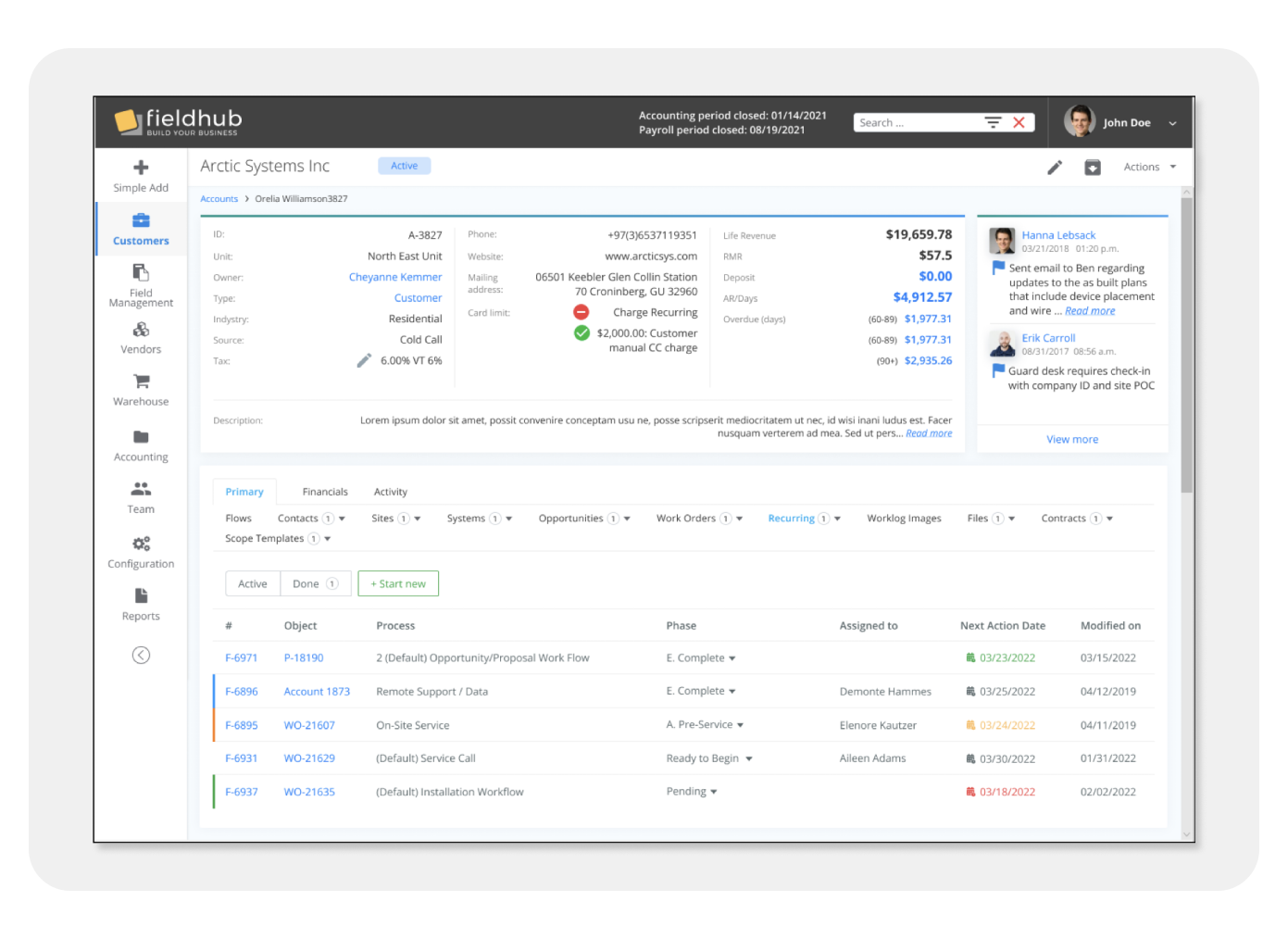
Track every customer, site, and installed system with FieldHub’s alarm company CRM. Manage the full lifecycle from lead to install to ongoing service and billing — no separate CRM subscription required.

Field Service and Dispatch

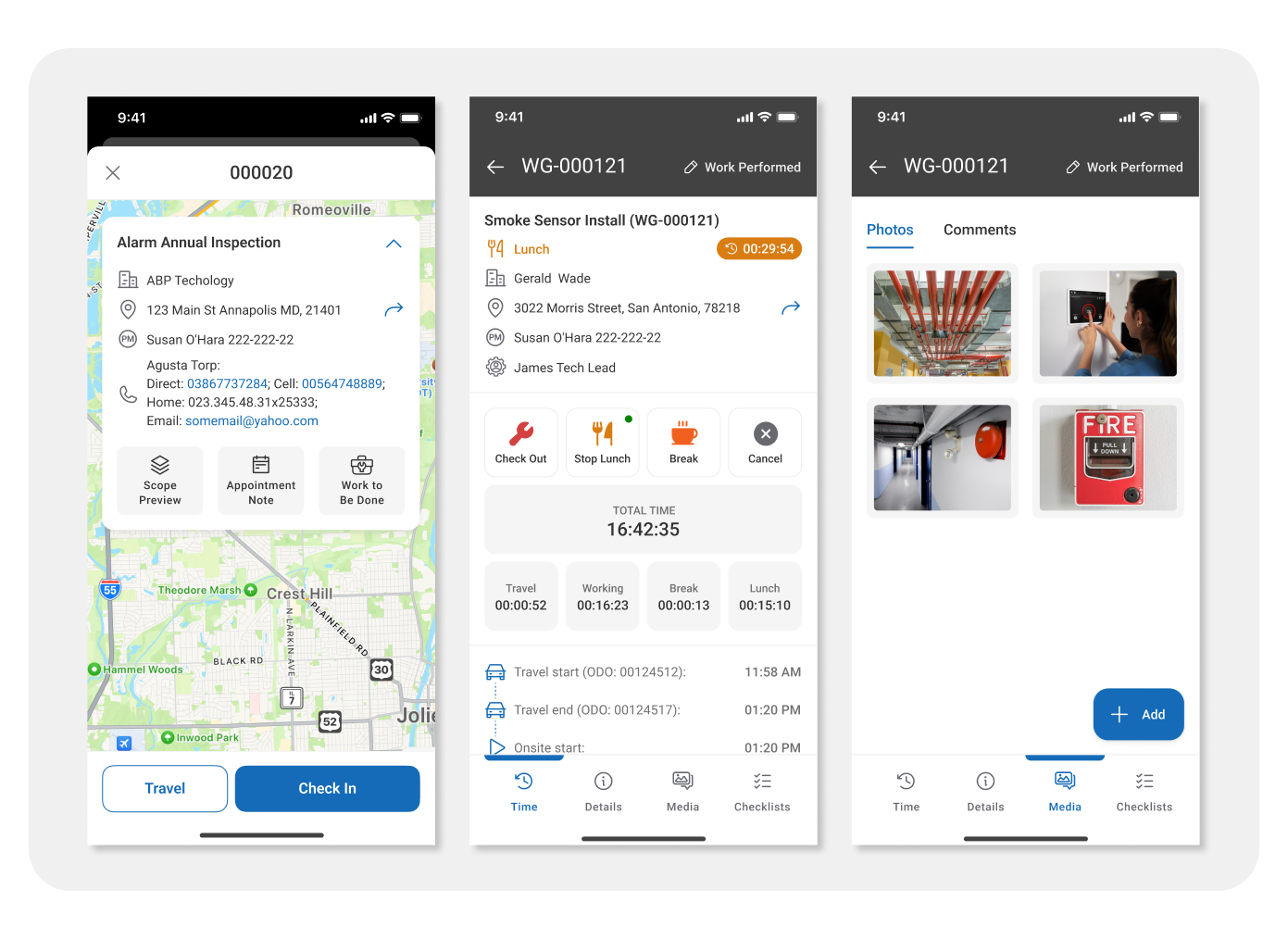
Alarm technician scheduling, dispatch, work order management, and time and material tracking — all connected to billing and accounting automatically.

General Ledger Accounting

A full double-entry alarm company accounting system. Chart of accounts, AP, AR, bank reconciliation, and financial reporting — no bolt-on integrations needed.

See FieldHub in Action

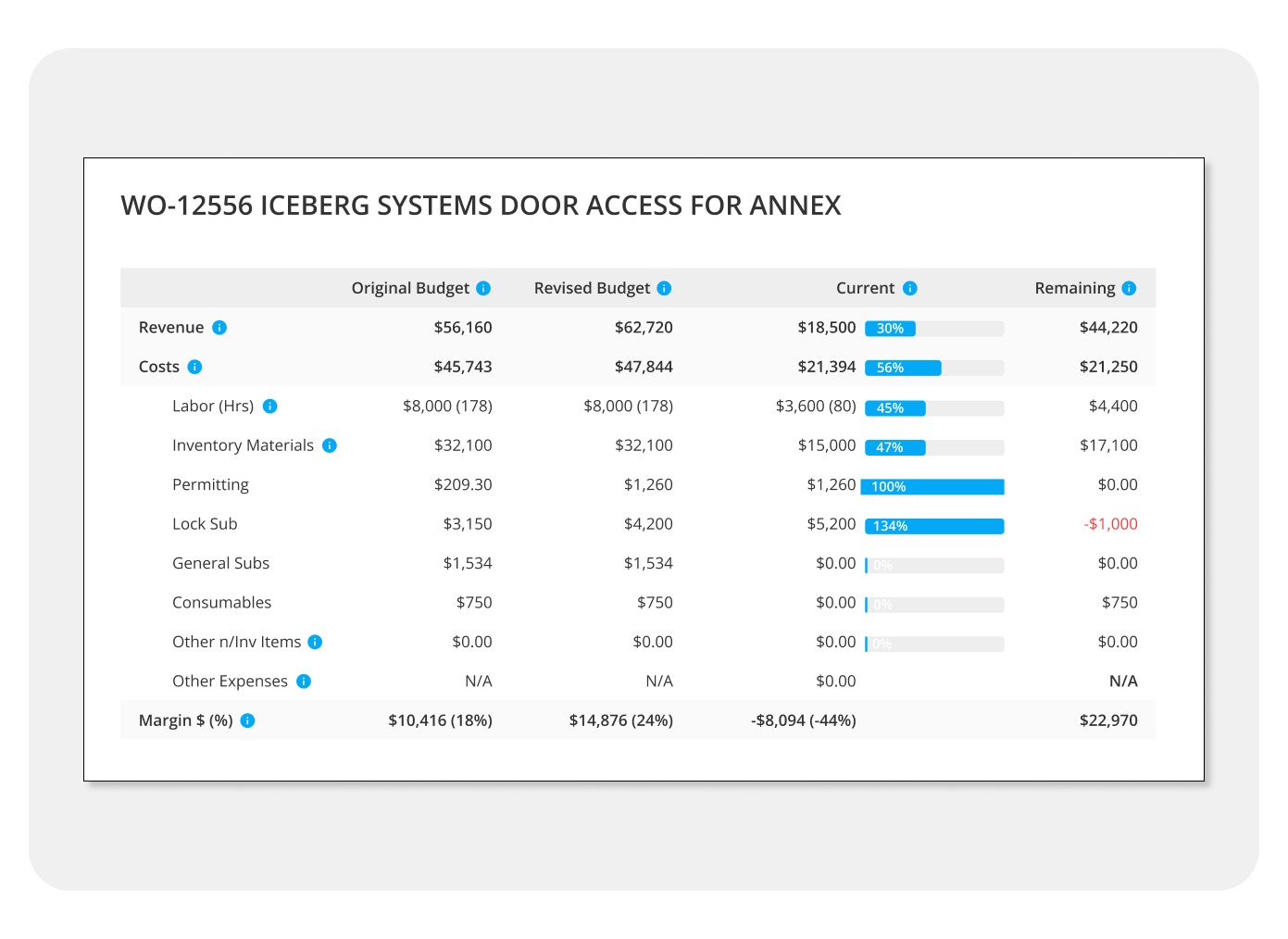
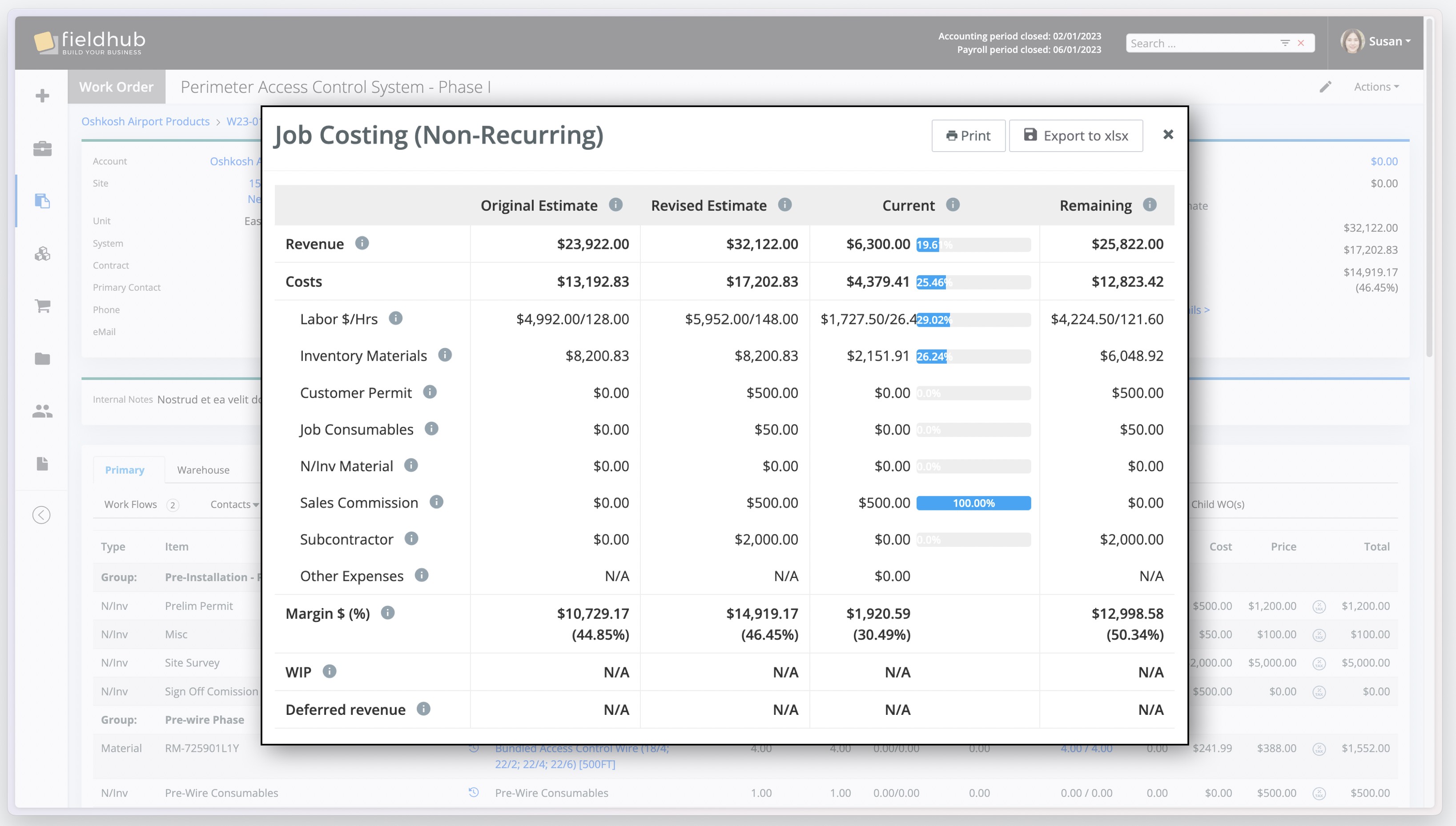
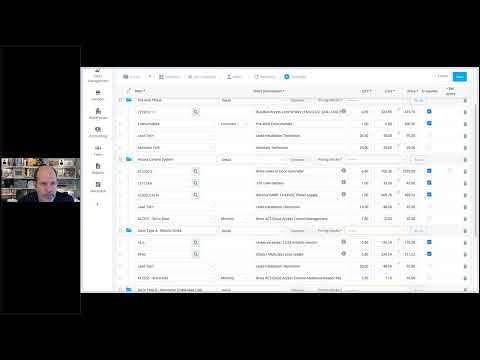
From customer management to financial reporting, explore how FieldHub streamlines every part of your alarm business.

Trusted by Alarm Companies Nationwide

See why security alarm dealers choose FieldHub to run their businesses.

FieldHub did everything that we were looking for. It is the most well-rounded platform for an independent alarm company to operate their day-to-day business.

John Cioffi
Vice President at Bergen Protective Systems, Inc.

We chose FieldHub because it offered smarter, more streamlined ways to work—clearly built with our industry in mind. While I initially had concerns about the complexity of migrating from our previous platform, FieldHub absolutely wowed us. The migration was seamless, the support was exceptional, and the end result is a modern platform that positions us for scalable, efficient growth.

John Smythe
President at Habitec Security

FieldHub has been instrumental in helping us have more streamlined processes…so we can effectively have a smaller back office staff who can do more by leveraging FieldHub. The RMR model is the foundation of everything. As a 20-year veteran in the RMR industry, I appreciate how it’s more automated than other platforms we’ve used. FieldHub’s report generation is strong and improves monthly.

Jonathan Frase
ArcEye

We had a very smooth migration, and your team has been great to work with. We just had our first financial meeting with real FieldHub reports, and it was awesome to actually TRUST the numbers that we saw without having to do additional side calculations. It’s great to have a business partner that listens to our concerns, and includes our suggestions in their future updates.

Adam Jacobs
President @ American Alarms

It automatically goes to the Warehouse Manager or Inventory Manager. He creates the PO with a click of a button, the inventory shows up, he checks it in with a click of a button, and then creates the bill. Night and day difference. Now that’s not all on my shoulders. You could probably train somebody in a month now on FieldHub. And if they don’t have knowledge of our industry, maybe a month and a half to two months, and they’re already in there taking phone calls, looking at billing. That was a huge change for us.

John Luks
Controller Security Systems

I would definitely recommend FieldHub to other security alarm companies. In fact, I already have.

Donnetta Byrd
VP of Administration Services @ Security One

Common Questions

Security Alarm Dealer Software & RMR Billing FAQs

What is security alarm dealer software? +
Security alarm dealer software is the business system a dealer runs the company on — the customer, site, and installed-system records, the sales pipeline, technician scheduling and work orders, recurring monitoring (RMR) billing, and the accounting behind all of it. It’s distinct from the central station’s monitoring automation, which handles signal processing and alarm response. FieldHub is the dealer-side system: CRM, scheduling and dispatch, recurring billing, job costing, and a native general ledger on one database.
What should a security alarm dealer look for in software? +
Four things, in rough order of how much time they save. RMR billing that handles proration, rate escalations, and multi-site agreements natively. Deferred revenue recognition that posts to the ledger instead of living in a spreadsheet. Accounts, sites, and installed systems as first-class records — a dealer’s business is organized around installed systems, not a contact list. And accounting inside the same system, so installs, service calls, and monitoring revenue don’t need a nightly sync to reconcile. FieldHub was built around all four — see the full feature list.
How is dealer business software different from central station automation software? +
Central station automation platforms run the monitoring center — signal receipt, alarm handling, and operator dispatch. Dealer business software runs the dealership — sales, installs, service, RMR billing, and the books. Dealers who monitor in-house need both; dealers who use a wholesale central station need only the second. FieldHub is the second kind, and integrates with the first so account and system data stays in sync.
Does FieldHub work for dealers who outsource monitoring to a wholesale central station? +
Yes — that’s the common case. FieldHub integrates with Rapid Response, AvantGuard/Becklar, and Affiliated Monitoring, creating and linking central station accounts from the same customer and system records your techs and billing team already use. See the integrations page for the current list.
Can one system handle both installation jobs and recurring monitoring accounts? +
Yes. A dealer’s installs and its monitoring base are two different revenue models — one-time project work with materials, labor, and margin to track, and recurring contracts that bill ahead and recognize over time. FieldHub runs both: job costing on the install side, automated RMR invoicing and deferred revenue on the monitoring side, with RMR activating before or after the installation is invoiced and everything posting to the same general ledger.
How do alarm dealers track RMR growth and attrition? +
By recording why the recurring base changed, not just what it totals today. FieldHub tracks a reason on every RMR change — added, increased, decreased, terminated, transferred to a new site — and reports real-time RMR with drill-down by service, customer, and site, so growth and attrition are visible per period instead of reconstructed from invoices at year end.
What is alarm company billing software? +
Alarm company billing software is the system that turns monitoring agreements, installation jobs, and service calls into invoices and revenue. The category ranges from billing-first point tools to broader dealer platforms, and the practical difference is how far the system reaches past the invoice. FieldHub bills recurring monitoring (RMR), installs, and T&M service in one place, and posts every invoice straight to a native double-entry general ledger with automated deferred revenue schedules, so there’s no separate accounting package to sync. See recurring billing automation.
What is alarm business software? +
Alarm business software is the broader system an alarm company runs on, with billing as one part of it — the CRM and sales pipeline, technician scheduling and dispatch, work orders, installed-system records, purchasing and inventory, RMR billing, and the accounting behind all of it. Many alarm companies assemble that from two or three products — a billing tool, a field service app, and QuickBooks — and reconcile between them. FieldHub is one system covering all of it: CRM, scheduling and dispatch, recurring billing, job costing, and a general ledger on a single database.
How does FieldHub compare to other alarm company billing software? +
Most products in this category specialize in the billing step and hand the books to a separate accounting system, usually QuickBooks — even broader dealer platforms typically stop short of the ledger. FieldHub’s difference is that billing and accounting are the same system, not two systems with a sync between them. RMR proration, rate escalations, multi-site contracts, and deferred revenue recognition run inside the same platform as the CRM, dispatch, job costing, and the general ledger, so monitoring revenue, install margins, and financial statements reconcile continuously instead of monthly.
What makes alarm company billing different from generic invoicing software? +
Alarm companies bill recurring monitoring contracts (RMR) alongside installation jobs and T&M service calls — each with different cycles, proration rules, and rate escalations. Generic invoicing tools treat every invoice the same. FieldHub’s recurring billing automation is built around RMR contracts, multi-site agreements, and deferred revenue from the ground up.
How does FieldHub handle RMR billing? +
FieldHub automates RMR invoicing end to end — proration, rate changes, contract renewals, and multi-site contracts — with every invoice flowing directly to the built-in general ledger. Deferred revenue schedules are generated automatically, so recognized and deferred revenue stay accurate without spreadsheets.
Does FieldHub replace QuickBooks for an alarm company? +
Yes. FieldHub includes a full double-entry general ledger — chart of accounts, AP, AR, bank reconciliation, and financial reporting — purpose-built for alarm companies, so there’s no QuickBooks sync to maintain. See replacing QuickBooks with FieldHub.
What's a QuickBooks alternative built for alarm companies? +
FieldHub. QuickBooks treats every invoice the same, but alarm companies need RMR proration, deferred revenue recognition, and job costing built into the ledger — not bolted on. QuickBooks recurring invoices don’t prorate a mid-cycle rate change or recognize monitoring revenue period by period, and its project tracking stops well short of real job costing. FieldHub’s native GL handles all three natively — automated proration, deferred revenue schedules, and job costing — in the same system as CRM, dispatch, and RMR billing. See the full comparison at replacing QuickBooks with FieldHub.
Does FieldHub include a CRM for alarm companies? +
Yes. FieldHub’s alarm company CRM tracks leads, customers, sites, and installed systems in one view, connected directly to proposals, work orders, billing, and accounting — no separate CRM product to integrate.
Can FieldHub manage our financials and deferred revenue? +
FieldHub is financial software built for security alarm companies — automated deferred revenue recognition, job costing, and real-time financial statements come standard, so your books reflect your true RMR position at any time.
How do alarm companies handle deferred revenue? +
Alarm companies typically bill monitoring fees in advance — monthly, quarterly, or annually. Cash received for service not yet delivered isn’t revenue yet; it’s recorded as a deferred revenue liability, then recognized as income month by month as monitoring is actually provided. Companies that track this in spreadsheets or generic accounting tools fall out of sync as contracts prorate, escalate, or cancel mid-term. FieldHub generates the deferred revenue schedule automatically when the invoice is created and posts recognition to the general ledger each period, so the liability balance is always current.
How does ASC 606 apply to alarm monitoring contracts? +
Under ASC 606, an alarm contract usually contains distinct performance obligations — the installation and the ongoing monitoring service. Revenue is allocated between them and recognized as each is satisfied — installation when the work is complete, monitoring ratably over the service period, no matter when cash was collected. Bundled “free install with a monitoring agreement” deals still require allocating part of the contract value to the install. FieldHub separates installation jobs from recurring monitoring lines natively, so each revenue stream recognizes on its own schedule without manual journal entries.
What does deferred revenue look like in practice for an alarm company? +
Say a customer prepays $600 for a year of monitoring. On day one, that $600 is a deferred revenue liability — not income. Each month, $50 moves from the liability to recognized revenue. If the customer cancels after eight months, the remaining $200 is refunded or recognized per contract terms — not silently absorbed. Multiply that by hundreds of accounts with different start dates, rates, and escalation clauses, and manual tracking breaks down; FieldHub maintains the schedule per contract line and reconciles the ledger nightly.

Ready to Simplify Your Operations?

See How FieldHub Works for Alarm Companies

Join the growing number of alarm dealers who have replaced their patchwork of tools with one integrated platform. Schedule a personalized demo today.
Schedule a Demo